

 08/09/2026
23 June، 2025
08/09/2026
23 June، 2025
 ابحاث السوق
Views
: 578
ابحاث السوق
Views
: 578
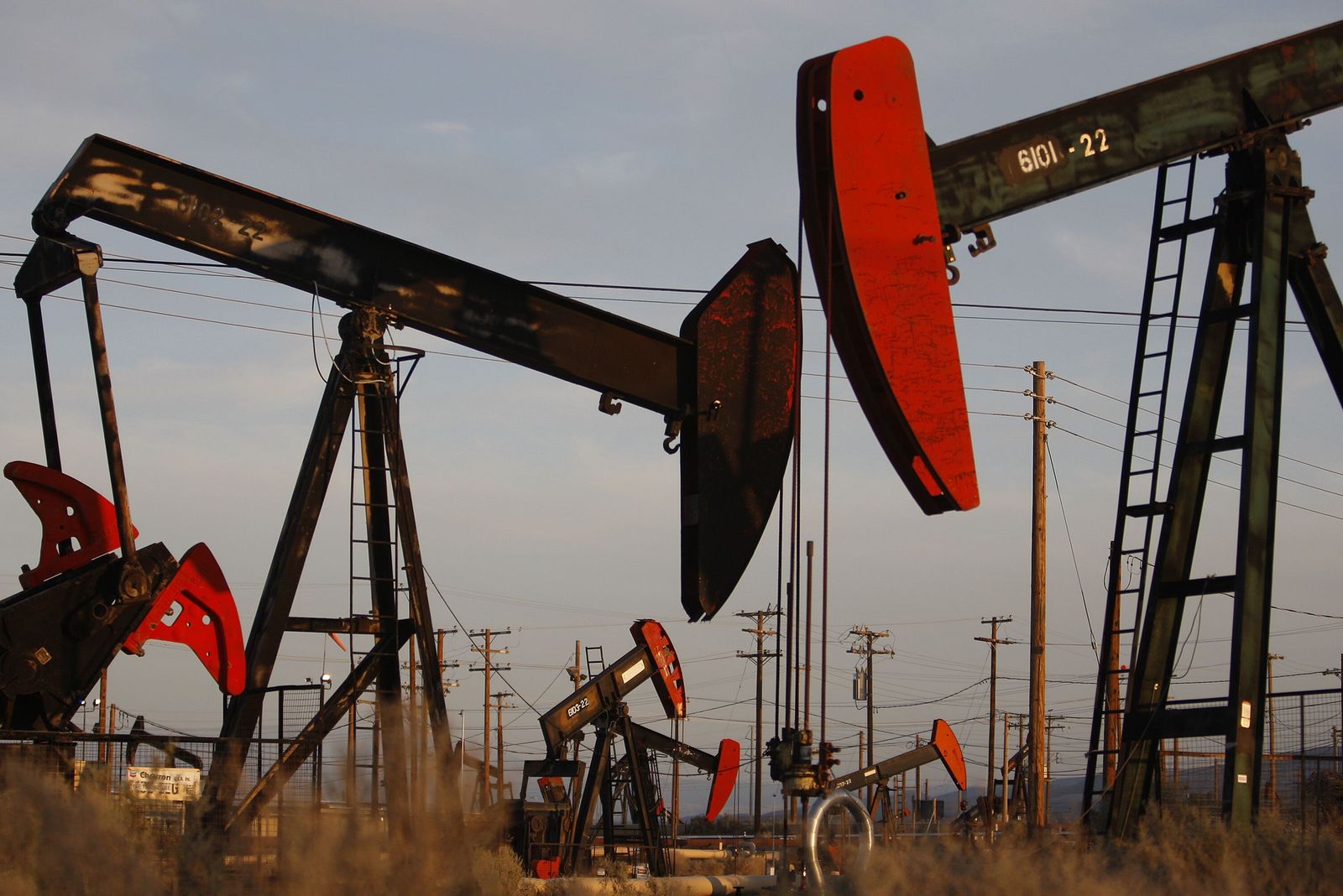
After gains exceeding 5% and trading at their highest levels since January at the start of the weekly trading session in the Asian session today, Monday, June 23, crude oil prices recorded declines in the middle of the European session, erasing all of their daily gains as investors assessed the ongoing conflict and attacks between Iran and Israel after the United States intervened and struck Iranian nuclear sites over the weekend. US crude (NYMEX) rose by about 0.74%, trading at $74.39 per barrel, while Brent crude traded at $77.57 per barrel, up about 0.73%.
Investors and traders in energy markets are closely monitoring developments after the United States launched a strike on three nuclear sites in Iran (Natanz, Fordow, and Isfahan). Trump is threatening further military action if Iran does not back down and reach an agreement. Tensions in the Middle East have escalated with the United States’ involvement, and fears of supply disruptions have risen, especially with rising expectations that Iran will resort to closing the Strait of Hormuz, a vital chokepoint for global trade and oil, through which a fifth of the world’s oil production passes. Iranian television reported that the Iranian parliament has called for the closure of the strait, but it has not yet been approved by Iran’s Supreme National Security Council.
Therefore, crude oil prices will remain subject to volatility and monitoring of the situation regarding the Strait of Hormuz. In a research note, Goldman Sachs indicated that the price of Brent crude could reach $110 per barrel if oil flows through the Strait of Hormuz decline for just a month. The report indicated that markets have begun pricing in a 52% chance of the strait being closed.
 شارك المقال على منصات التواصل الإجتماعي


