

 08/09/2026
30 July، 2025
08/09/2026
30 July، 2025
 ابحاث السوق
Views
: 447
ابحاث السوق
Views
: 447
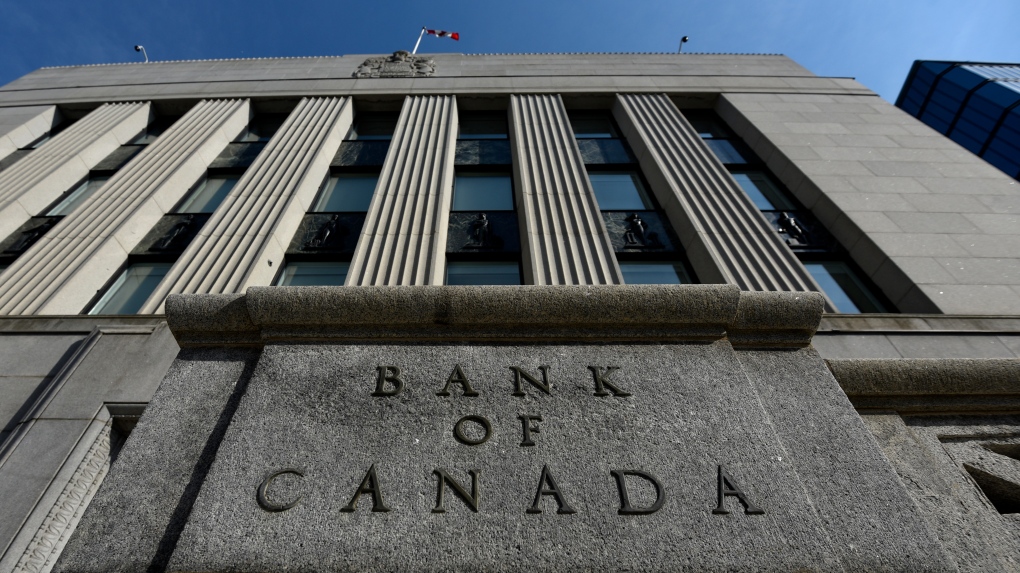
The Bank of Canada kept its interest rate at 2.75%, as expected, for the third consecutive meeting at its recently concluded meeting. The bank noted that although US trade policy has begun to crystallize more clearly in recent weeks, US trade actions remain unpredictable and threats of new sectoral tariffs persist.
The statement added that US tariffs are disrupting Canadian trade, but overall the economy is showing resilience. GDP is likely to decline by 1.5% in the second quarter, with exports declining sharply and US demand for Canadian goods declining due to the tariffs. However, the Canadian economy is expected to grow by around 1% in the second half of the year, with exports and household spending gradually increasing. This is in light of the current tariffs, while the economy is expected to recover more quickly in a de-escalation scenario. Canada’s inflation rate reached 1.9% in June, slightly up from May’s reading, while excluding taxes, it rose to 2.5% from 2%, driven by higher non-energy commodity prices. Inflation is expected to remain close to 2% under the current tariff scenario, but lower tariffs could reduce direct upward pressure on inflation. With tariff uncertainty persisting, the Canadian economy showing some resilience, and underlying inflation pressures continuing, the Bank decided to maintain interest rates. We will continue to assess the timing and strength of the pressures and the extent of the impact of tariff risks on Canadian demand and exports. If a weaker economy imposes further downward pressure on inflation and upward price pressures from trade disruptions are contained, a rate cut may be necessary.
 شارك المقال على منصات التواصل الإجتماعي


